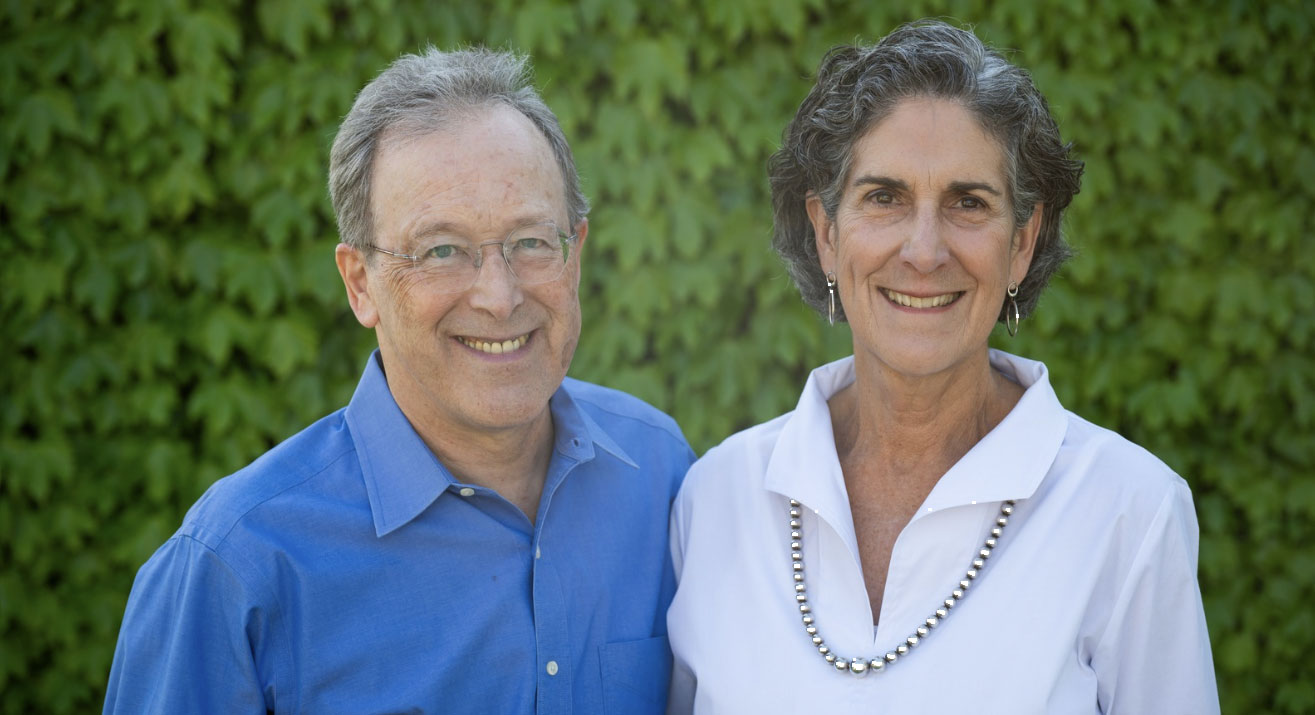
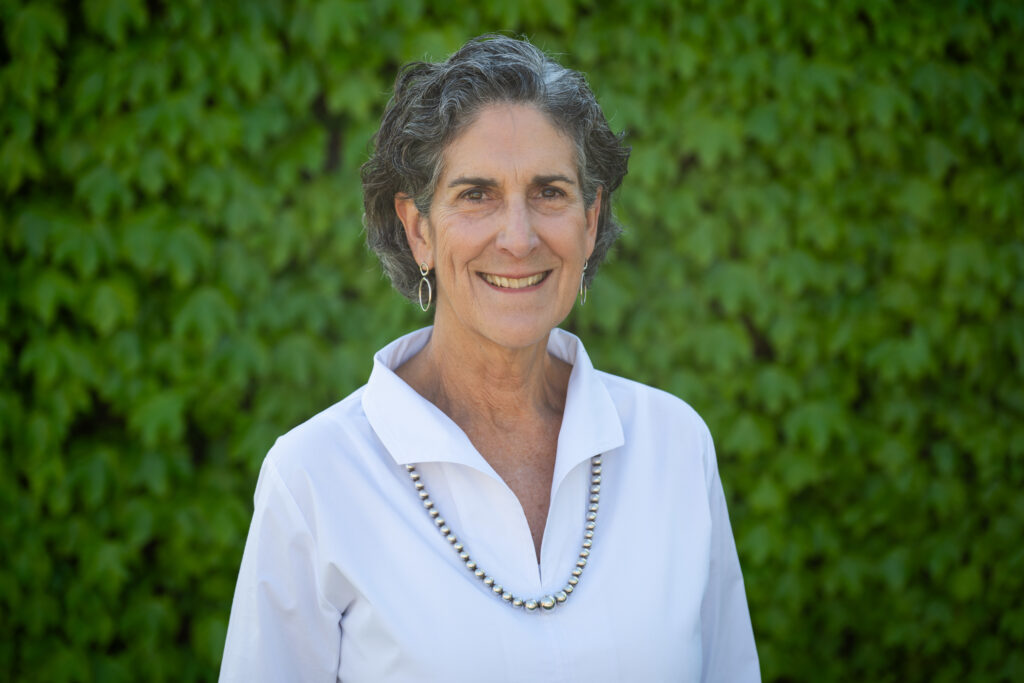
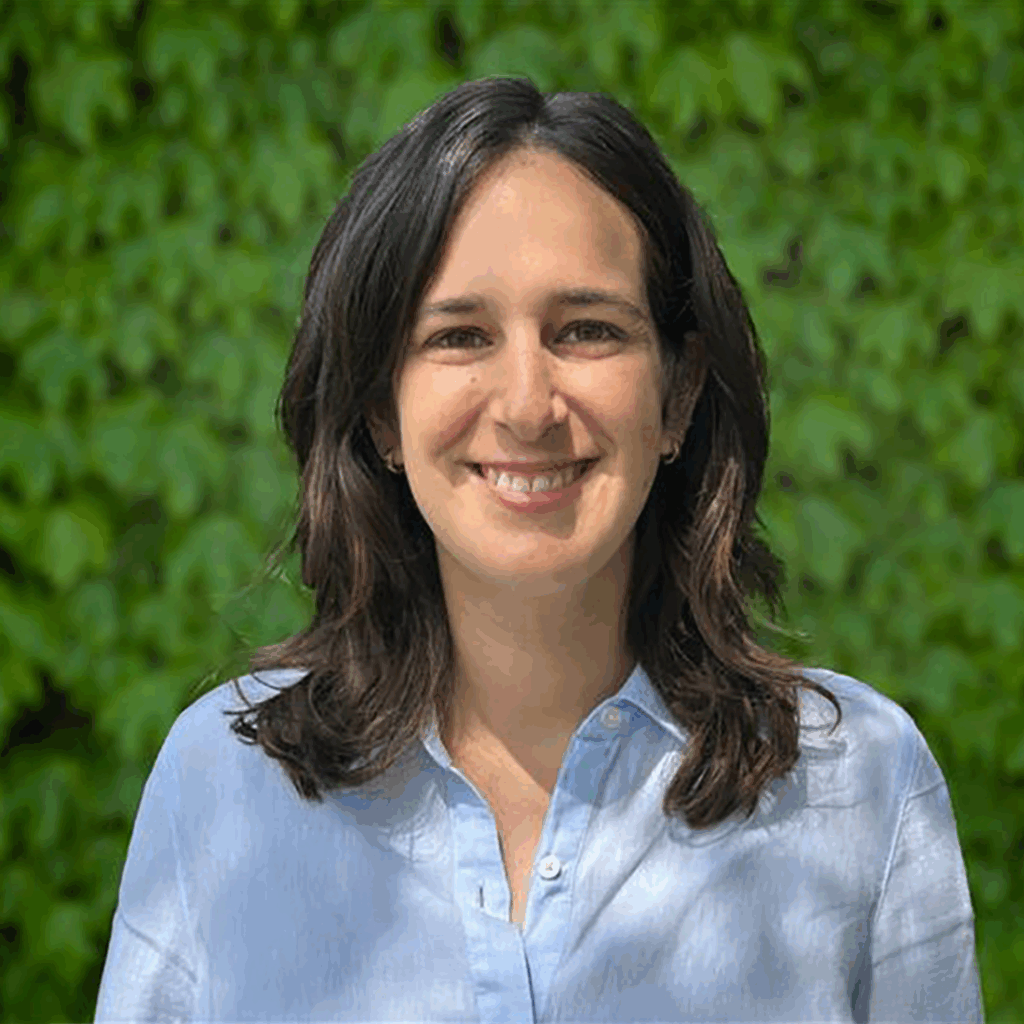
We lost our son, and our daughter lost her older brother, to suicide in 2015. Alan was 25 when he died.
Alan wasn’t secretive about his suicidal despair. With our support, he sought help and openly disclosed his suicidal thinking to his primary care physician, his therapist, and his psychiatrist, all well-regarded clinicians. But the treatment he received in these settings made him feel worse. After a serious suicide attempt, he received inpatient psychiatric care locally and then at a nationally renowned hospital — where he took his life.
We are a psychiatrist and a family physician, and we naively believed our son was getting the best care possible. In trying to make sense of what had gone wrong, we discovered that most clinicians, though well-intentioned, are not trained in the up-to-date knowledge and skills needed to treat individuals struggling with suicidal thoughts and behaviors. In addition, our healthcare systems generally lack care pathways that are designed to provide compassionate, effective and timely care for people in suicidal crises.
Despite being seasoned physicians, we too were unfamiliar with the large and growing body of evidence that has demonstrated the effectiveness of updated models of suicide care. Unfortunately, these methods remain poorly known and vastly underutilized even though suicide is a leading cause of death and suffering in our country. This is a national tragedy that we have committed ourselves and our resources to address.
We established Four Pines Fund in 2023 to increase access to the best models for suicide care both nationally and in our home state of Vermont. We are invigorated by our mission. We draw strength from the small, but growing field of suicide care — and the potential to help the millions of people struggling each day with the pain and suffering of suicidal despair and the devastating impacts of suicide loss.